
Key West Tropical Forest & Botanical Garden
Entertainment Venues · Key West, FL
About
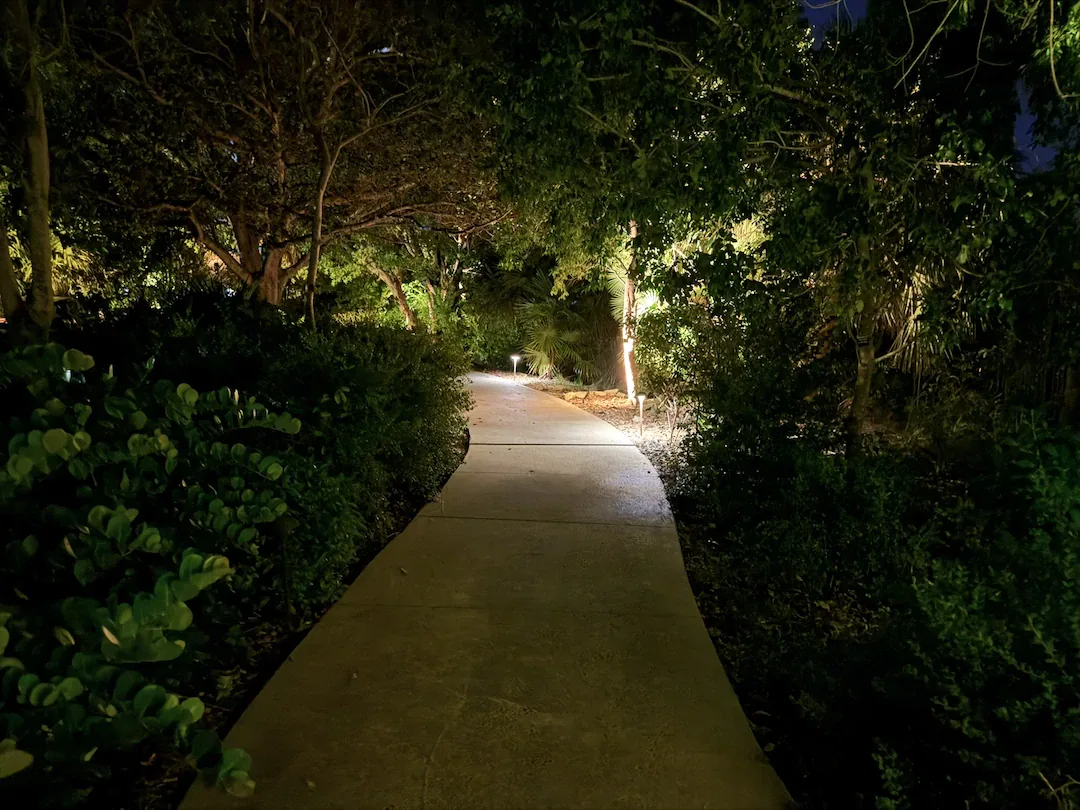
RealReviews profileThe Key West Tropical Forest & Botanical Garden is a nonprofit conservation garden at 5210 College Road on Stock Island. It is a natural, frost-free tropical forest with native Florida Keys, Cuban and Caribbean plants, birds, butterflies, turtles, a freshwater pond, Cuban chugs and a small nursery—not a formal flower garden built for constant blooms. The visitor evidence is mixed in a useful way: people praise the quiet, uncrowded setting, friendly staff, wildlife and accessibility, while others find the walk short, mosquitoes intense, seasonal color limited and the $15 admission high for a natural park. Current hours and amenities come from the operator.
Key West Tropical Forest & Botanical Garden: what to know
RealReviews editorial research · checked 2026-08-07RealReviews consensus score 85/100, High confidence. The packet documents recurring gardens, shade, wildlife, accessibility and visit-value themes across five source domains and 36 inspected bodies. Choose this garden when you want a calm, low-pressure nature stop away from Old Town's crowds and are comfortable with a real tropical habitat rather than a highly manicured show garden. The best visits include the audio/text map, birding, the pond and special exhibits, with bug spray and realistic expectations about seasonal blooms. It is especially useful for families, birders, dog owners and travelers who value free parking and ADA trails. It is a weaker choice if your priority is a long walk through constant flowers or a major conservatory experience.
Strongest fit
- Birders, native-plant enthusiasts and travelers who enjoy natural habitats over formal display gardens
- Families wanting a quiet Stock Island stop with a playground, pond, labeled plants and free parking
- Visitors who need dog-friendly access, ADA trail information or a low-pressure alternative to crowded Old Town attractions
Verify before booking Key West Tropical Forest & Botanical Garden
- Many visitors finish in about 30 minutes; the garden may feel smaller than a one- to two-hour itinerary suggests
- Mosquitoes can be relentless and flowers/butterflies vary with season, rainfall and ordinary wildlife conditions
- The $15 all-day ticket is easier to justify if you use the map/audio tour, wildlife features and repeat-entry option; it may feel high for a quick walk
What kind of garden this is
This is a tropical forest, botanical garden, wildlife refuge and education site on Stock Island, not a formal city park with every bed in bloom. The operator manages native Florida Keys plants alongside species from Cuba and the Caribbean, supports a nursery, tracks birds and maintains special exhibits such as Cuban chugs and champion trees. A freshwater pond, trails and educational displays make the visit about habitat and ecology as much as flowers.
The current visitor page lists 5210 College Road, daily 10 a.m.–4 p.m. hours and $15 adult admission with an all-day pass. Children enter free with an adult, parking is free, and the garden offers a map plus a smartphone audio/text walk. Those details are current operator information; older travel pages may show different hours, so use the live site when planning.
What visitors enjoy
The strongest theme is relief from the tourist core. Recent review bodies describe a quiet, uncrowded, zen-like place with friendly staff, benches, a playground and enough labels to make the plants meaningful. Visitors spot birds, iguanas, butterflies, hummingbirds, turtles and pond life, and the Cuban chug display adds a human-history detail that a conventional garden would not have.
The garden also wins on practical ease. Free parking, a picnic area, bicycle rack, refill station, dog access and ADA trails lower the friction of visiting with children, pets or mobility needs. The audio/text map gives a self-guided structure without forcing a tour group. Travelers who return value the ability to wander at their own pace rather than being moved through a timed attraction.
Why some visitors leave disappointed
The most repeated criticism is scale and presentation. A visitor expecting an hour-and-a-half botanical tour may finish in about 30 minutes, especially outside a peak bloom period. One recent body says the site feels more like a park than a formal botanical garden. That is a fair description of the experience for some travelers, but it is not evidence that the conservation work is poor; it explains why the ticket feels different to a flower-show visitor than to a birder or native-plant enthusiast.
Mosquitoes and seasonal variation are the second recurring issue. A garden can be beautiful and still have biting insects, sparse flowers or quiet butterfly activity on a particular day. Bring repellent, water and covered clothing. If you need guaranteed color or close animal encounters, choose a more controlled conservatory. If you want a natural habitat, the variability is part of the product and should be planned for rather than treated as a surprise.
How to plan the stop
Use the current map or audio app and allow at least 30–60 minutes, with more time if you bird, read the plaques or sit by the pond. The all-day ticket makes a return visit possible, and the site pairs naturally with Stock Island food or a bike route. Contact the garden five business days ahead if you need a sign-language interpreter, assistive listening device or accessible-format material; the operator lists five ADA-accessible trails. Dogs must be leashed.
RealReviews assigns High evidence because the profile can answer the real decision: this is a peaceful, conservation-focused Stock Island garden with useful amenities and genuine wildlife, but not a guaranteed flower spectacle. A numeric score remains withheld until formal scoring deduplicates platform data and applies the site methodology.
This is a tropical forest, not a formal flower park
The Stock Island garden presents native Florida Keys, Cuban and Caribbean plants, birds, butterflies, turtles, a freshwater pond and Cuban chugs in a natural, frost-free setting. Visitors looking for constant blooms or manicured beds may be comparing the wrong type of attraction.
Start with the forest and conservation brief before judging the display.
Quiet and uncrowded is the main positive theme
Visitors repeatedly describe a relaxed, low-pressure escape from Old Town with friendly staff, labeled plants, wildlife and a family pace. Free parking, a picnic area, refill station, dog policy and ADA trails add practical ease.
It is a good reset when the group wants nature rather than another busy storefront.
The walk can be shorter than expected
Several bodies report about 30 minutes rather than an hour or more, especially when plants are not in peak color. The operator’s audio or text map can add context, but the site is not a massive arboretum.
Plan the stop as a flexible nature break and pair it with another activity if needed.
Mosquitoes and weather are part of the visit
Biting insects can be intense, and heat or rain can change comfort quickly. A quiet natural setting also means paths, shade and wildlife are less controlled than in an indoor museum.
Bring repellent, water, sun protection and footwear suited to an outdoor path.
Seasonal color and wildlife vary
Butterflies, flowers, birds and turtles are living conditions, not guaranteed exhibits. A reviewer who visits in a quiet or dry period may see a different garden than someone arriving after rain or during peak flowering.
Judge the garden by habitat and conservation value as well as the day’s sightings.
Admission value is personal
The operator lists $15 adult admission, and some visitors consider that reasonable for a peaceful refuge and wildlife. Others find the price high for a short walk or limited bloom display.
Compare the price with the group’s interest in quiet habitat, not only the number of paths.
Accessibility and group planning matter
The current visitor information describes ADA trails and practical amenities, but surface, heat, insects and seating should still be considered for a traveler with limited stamina or a child who needs frequent stops.
Ask about the most suitable route and available shade before setting the pace.
Who the garden may fit
It may fit birders, families, plant enthusiasts and travelers who want a calm conservation stop with parking and low logistical friction. Compare a larger formal garden or indoor attraction when bloom variety, long trails or climate control is essential.
The natural-forest character is the defining tradeoff.
What a useful future review should record
Record season, weather, insects, blooms, wildlife, trail time, staff, map or audio use, shade, accessibility, parking and admission. Those details explain why the same $15 stop can feel peaceful to one visitor and too short to another.
Date the visit because living conditions change.
Separate the business from the exact job
The researched record for Key West Tropical Forest & Botanical Garden combines official identity and service information with dated independent accounts. Scope, crew, price and timing can change the result, so each conclusion keeps those conditions visible.
A business-level summary is useful orientation; the exact job determines fit.
Use positive and negative accounts responsibly
A favorable account shows what worked for one customer, while a critical account identifies a possible failure mode. Repetition and specificity matter more than one dramatic sentence.
RealReviews reports the overlap and names the gaps instead of turning one experience into a universal accusation or guarantee.
Total cost includes friction
Fees, travel, equipment days, permits, access, recurring service and correction effort can change value. Compare the complete job, not just the displayed rate.
Write assumptions down before deciding so alternatives are measured fairly.
Policies should be saved
Warranty, callback, claims, cancellation, permit, payment and change-order rules can change. Save the current written terms and any promise made during a call or estimate.
That record protects the customer and gives the provider a fair chance to respond.
Do not confuse popularity with fit
Aggregate ratings show that people chose the provider; they do not answer whether this reader needs emergency response, a particular license, commercial coverage or a branch-specific callback.
The narrative tradeoffs are what make a shortlist useful.
What stronger evidence would add
The best future account identifies the date, exact service, equipment or fixture, crew, scope, price, response and outcome. Generic praise adds less than one specific, attributable review.
Update the profile when new evidence materially answers a current uncertainty.
Keep the recommendation conditional
Choose Key West Tropical Forest & Botanical Garden when its documented strengths match the job and its watch items are manageable. Compare another option when one watch item is a hard requirement.
Verify current details immediately before committing because services, prices, crews and policies change.
A practical final check
Confirm current identity, scope, total price, timing, access, warranty or claims and the one uncertainty most likely to affect the job. Afterward, keep the invoice and document the result.
That loop turns a researched profile into a decision tool and gives future updates better evidence.
A fair negative account is specific
A useful negative account names the date, promised standard, observed problem and response. It avoids turning one disappointing job into a claim about every employee or project.
That standard preserves important warnings while keeping the profile fair and verifiable.
Use the exact question as the handoff
If the concern is warranty, ask for the callback owner. If it is payment, ask when invoices post and what receipts are provided. If it is a permit, ask who closes the inspection.
Specific questions are easier to answer, verify and improve.
Record what is current
Write down the date checked, exact category, license or branch and policy language. If the provider changes a service, crew, permit path or schedule, a dated record makes the next update understandable.
That discipline keeps a local profile useful without pretending it is a permanent contract.
Timing is part of the evidence
Emergency repair, planned installation, recurring service and commercial work have different constraints. Keep timing and purpose attached to the claim rather than averaging every job into one impression.
That context lets a reader plan a comparable service.
The exact scope controls the answer
Cleaning, duct treatment, leak repair, water-heater work and commercial service require different questions, materials and paperwork. Ask the provider to name the exact phase before comparing a quote.
A general service page cannot answer a project-specific risk.
Compare one written alternative
Use the same problem description and requested scope when comparing another provider. Compare license, diagnosis, equipment, warranty, callback, payment, permits and change-order terms.
A fair written comparison is more useful than another unstructured list of stars.
The complete decision includes documentation
Before authorizing service, save the diagnosis, scope, identity details, price, warranty and escalation path. Afterward, keep the invoice, photos and service notes.
That record protects the customer and gives future updates better evidence.
A quote should expose assumptions
Ask what the estimate assumes about access, parts, equipment, permits, labor, disposal, cleanup and a return visit. If one assumption changes, the provider should identify the resulting price or schedule change.
An explicit assumption is easier to compare than a low number with hidden conditions.
A service term is not a service result
A posted policy explains what the provider says it will do; a review body describes what happened in one observed job. Keep those evidence types separate and ask how the policy is applied in the exact situation.
That distinction protects the reader from treating marketing language as a guarantee.
Ask who owns the next step
For a callback, re-clean, warranty, permit or return visit, identify the person or channel responsible and the expected response time. A general office number is not the same as a documented escalation path.
Write that handoff beside the estimate before work starts.
Compare like-for-like scope
A clean, duct treatment, leak repair and installation can have different labor, materials and completion standards. Use the same room count, equipment, access and deadline with every provider.
Matching scope reveals meaningful differences instead of rewarding omitted work.
Dated evidence deserves dated language
Older accounts can identify a question without proving a current pattern. Recent accounts can show a present strength without promising the next result.
The profile keeps dates, source context and counterexamples visible so the reader can judge how much weight to give each account.
The reader should leave with a decision
After reading the profile, a customer should know who may fit, what to ask, which term could change the price and what evidence remains incomplete.
That is more useful than a long recap of ratings because it converts research into a concrete next step before the first call or booking, with the important assumptions still visible for this job.
The customer controls the comparison
Bring the same facts, photos, equipment details and deadline to every provider. Ask each one to state what is excluded and what would trigger a second visit.
That makes the final choice depend on evidence rather than sales momentum.
A narrow warning can still help
A dated complaint about a missed callback, access problem or billing term does not define the whole business. It does identify a question worth asking before money or time is committed.
Specific warnings are more fair and more useful than broad labels.
The final record should be reusable
Keep the estimate, terms, invoice, photos, license check and outcome together. If the work succeeds, that record helps a future review; if it fails, it supports a precise correction request.
Good documentation improves the next customer decision and gives the business a clear factual record to answer later too now.
Your file for Key West Tropical Forest & Botanical Garden
- Many visitors finish in about 30 minutes; the garden may feel smaller than a one- to two-hour itinerary suggests
- Mosquitoes can be relentless and flowers/butterflies vary with season, rainfall and ordinary wildlife conditions
- The $15 all-day ticket is easier to justify if you use the map/audio tour, wildlife features and repeat-entry option; it may feel high for a quick walk
Services listed
1 sourcedEvidence checked for Key West Tropical Forest & Botanical Garden
Sources and update dates- Editorial research checked 2026-08-07
- 7 approved source records
- Official-site details checked Aug 2026
Check availability with Key West Tropical Forest & Botanical Garden
Check experience availabilityTell us what you need from Key West Tropical Forest & Botanical Garden, where the work is, and when it matters. The request keeps the reply easy to compare with another provider.
Projects and media
1 approved image
Share your experience
Describe the job and what happened. Add timing or price context only when you can share it; every submission is reviewed before publication.
Questions to ask before hiring
Ask a questionPeople also compare
Nearby profilesWhere Key West Tropical Forest & Botanical Garden's information comes from
Sources, ownership, and correctionsKeep the hiring record
Save the written scope and warranty with the quote. A correction changes the public profile only after review; an owner claim does not erase criticism or control customer submissions.
RealReviews records the selected request details. The business still confirms availability, price, and acceptance. How RealReviews handles sources, ratings and corrections.