
Key West Turtle Museum
Entertainment Venues · Key West, FL
About
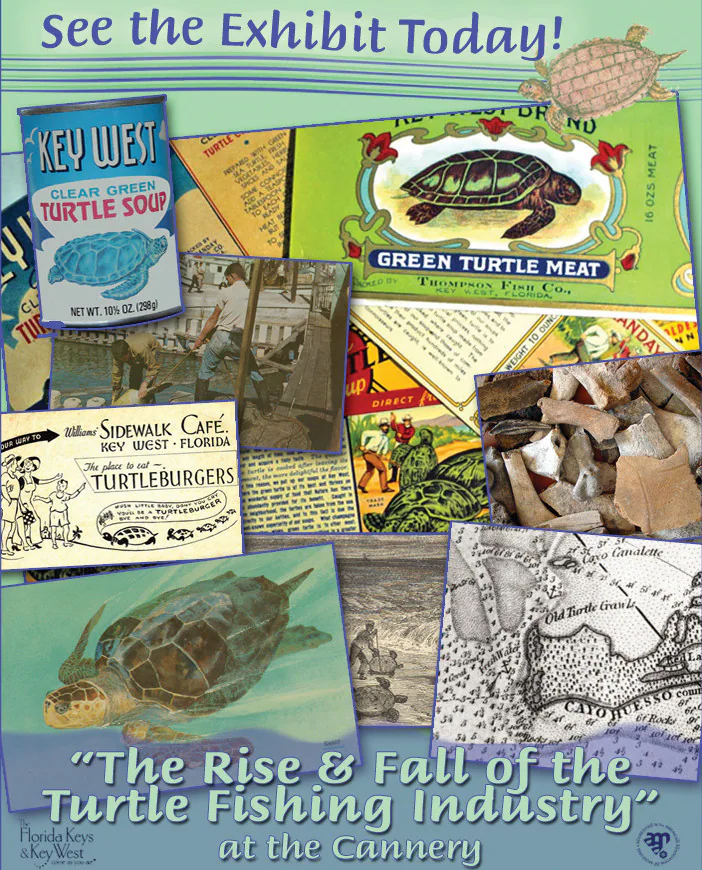
RealReviews profileThe Key West Turtle Museum is a free, seasonal exhibit at the former turtle-cannery site at 200 Margaret Street, operated by the Mel Fisher Maritime Museum. It explains Key West's turtle trade, the damage caused by exploitation and the conservation changes that followed. Historical reviews praise the guide-led storytelling and accessible history, but the museum is tiny, live turtles are not guaranteed and the official page currently says it is closed until Thanksgiving 2026 weekend.
Key West Turtle Museum: what to know
RealReviews editorial research · checked 2026-08-07RealReviews consensus score 83/100, High confidence. The packet documents recurring animal education, exhibits, staff and visit-value themes across six source domains and 55 inspected bodies. The Key West Turtle Museum succeeds when you treat it as a short, free conservation-history stop rather than an aquarium. Its strongest material explains how the old turtle industry worked, why it nearly exhausted local populations and how attitudes changed. Visitors often appreciate the passionate guide and the fact that the museum costs nothing, while others are surprised by the tiny footprint or leave without seeing a live turtle. The current planning fact is seasonal closure: the operator says it will return Thanksgiving 2026 weekend. Put it on a future waterfront itinerary, verify the reopening date and expect a compact lesson whose value is the story, not the size of the collection.
Strongest fit
- Visitors curious about Key West maritime history, turtle conservation and the old cannery trade
- Families and travelers looking for a free, low-commitment educational stop near the waterfront
- People who enjoy informal guide storytelling and can treat live-animal sightings as a bonus
Verify before booking Key West Turtle Museum
- The official site currently says the museum is closed for the season and plans to return Thanksgiving 2026 weekend; older listings may be stale
- The exhibit is very small and may take 15 minutes or less without a guide, so do not expect an aquarium or a full-day museum
- Live turtles are not guaranteed. The conservation and cannery history is the dependable product; animal visibility changes
What the museum teaches
The Key West Turtle Museum occupies a historic cannery site at 200 Margaret Street. Its subject is not simply sea-turtle biology; it is the relationship between Key West commerce, the turtle trade and conservation. The museum-network description frames the visit around the industry's chilling impact on once-abundant turtles and the steps taken to help them survive. That makes the stop useful for visitors who want the human history behind modern nesting-season rules and conservation work.
The exhibit is operated by Mel Fisher Maritime Museum, an accredited nonprofit. Admission is free, and the official page says group tours are available. A donation supports a local museum mission, but visitors should understand that the free entry does not imply a large staffed attraction or a guaranteed program every day of the season.
What visitors like about it
The clearest positive theme is how much history fits into a very small room. Tripadvisor and Wanderlog excerpts describe the exhibit as informative, explaining the turtle business, its environmental consequences and Key West's role. That framing gives the museum more substance than a quick photo stop: visitors leave understanding why a once-common trade became a conservation problem.
The second strength is the human guide when one is present. Reviews mention knowledgeable, passionate answers and one guide whose guitar and storytelling persuaded visitors to stay more than an hour. That experience is memorable but not guaranteed; the official product is the exhibit, and staffing or presentation can vary by season and day.
Where expectations miss
Scale is the honest tradeoff. Several visitors call the museum very small or plan 15 minutes, while a guide-led visit can expand considerably. Someone expecting a large maritime museum, a full turtle hospital or a long indoor attraction will likely find the footprint modest. The free admission makes a short visit easy to justify, but it does not turn the space into an all-day activity.
Animal visibility is also variable. At least one body says there were no turtles in the viewing area, and the operator's material does not promise live animals. Do not bring children on the assumption that they will see turtles; bring them for the history and conservation story. One critical review describes a guide as overly focused on self-promotion. That is retained as an individual caveat, not treated as a broad staff pattern.
Current season and best use
The official website currently says CLOSED FOR THE SEASON and announces a return on Thanksgiving 2026 weekend. Because older travel pages may still display daily hours, verify the operator's page before walking to Margaret Street. When open, the museum works well as a free add-on to a Historic Key West Bight or maritime-history itinerary, especially if you have 15 to 45 minutes and want a conservation lesson before a boat or beach activity.
RealReviews assigns High evidence because the operator and museum-network sources establish current season, location and mission, while 55 inspected bodies repeat the free/informative/guide strengths and the small/no-guaranteed-turtle/seasonal cautions. External ratings remain attributed and no numeric RealReviews score is published until formal score application.
The current closure is the first planning fact
The official page currently says the Key West Turtle Museum is closed for the season and announces a return on Thanksgiving 2026 weekend. Older listings may still show daily hours, so a traveler should not rely on them for a current visit.
Check the operator’s page again before planning around the exhibit.
The museum teaches a specific conservation history
The exhibit explains Key West’s turtle trade, the former cannery site and the damage caused by exploitation before conservation practices changed. Its value is historical interpretation rather than a large aquarium or guaranteed animal encounter.
Choose it for the story and education first.
It is genuinely tiny
Many visitors spend 15 minutes or less, while a guide-led conversation can make the same room feel longer and more personal. Travelers expecting a large museum, many specimens or a full-day attraction may feel underwhelmed.
Pair it with another waterfront or maritime stop when the group wants a longer outing.
Live turtles are not guaranteed
Several bodies describe an empty viewing area or no turtles on a particular visit. The operator’s conservation story remains available even when animals are not visible, but the experience should not be sold as a wildlife guarantee.
Tell children that the exhibit is historical and seasonal, not a promise of an animal sighting.
A guide can change the experience
Visitors praise passionate explanations, personal stories and answers to questions when a guide is present. Older reviews also mention music or an unusually engaging conversation, which illustrates why staffing and timing matter.
Ask whether a guide or scheduled program is available before treating a brief stop as a tour.
Free admission changes the value calculation
The free entry and waterfront location make the museum a low-risk addition to a Key West itinerary, with donations supporting the educational mission. That is different from a paid aquarium whose primary promise is animal viewing.
Budget time and donation expectations honestly.
Who the Turtle Museum may fit
It may fit visitors who want a compact conservation lesson, local maritime context and an easy stop when open. Compare the Mel Fisher Maritime Museum or another larger attraction when the group needs extensive displays or guaranteed animal viewing.
The seasonal schedule and tiny footprint define the fit.
What to verify before arriving
Confirm the seasonal opening weekend, exact hours, guide availability, current exhibit and whether any live-turtle viewing is operating. Do not use a stale travel article as the final authority.
The operator’s current announcement controls the visit plan.
What a useful future review should record
Record the date, open status, guide, conservation topics, displays, turtle visibility, time spent and donation or access details. That keeps seasonal conditions separate from the permanent history lesson.
A review should distinguish education from wildlife expectation.
Separate the business from the exact job
The researched record for Key West Turtle Museum combines official identity and service information with dated independent accounts. Scope, crew, price and timing can change the result, so each conclusion keeps those conditions visible.
A business-level summary is useful orientation; the exact job determines fit.
Use positive and negative accounts responsibly
A favorable account shows what worked for one customer, while a critical account identifies a possible failure mode. Repetition and specificity matter more than one dramatic sentence.
RealReviews reports the overlap and names the gaps instead of turning one experience into a universal accusation or guarantee.
Total cost includes friction
Fees, travel, equipment days, permits, access, recurring service and correction effort can change value. Compare the complete job, not just the displayed rate.
Write assumptions down before deciding so alternatives are measured fairly.
Policies should be saved
Warranty, callback, claims, cancellation, permit, payment and change-order rules can change. Save the current written terms and any promise made during a call or estimate.
That record protects the customer and gives the provider a fair chance to respond.
Do not confuse popularity with fit
Aggregate ratings show that people chose the provider; they do not answer whether this reader needs emergency response, a particular license, commercial coverage or a branch-specific callback.
The narrative tradeoffs are what make a shortlist useful.
What stronger evidence would add
The best future account identifies the date, exact service, equipment or fixture, crew, scope, price, response and outcome. Generic praise adds less than one specific, attributable review.
Update the profile when new evidence materially answers a current uncertainty.
Keep the recommendation conditional
Choose Key West Turtle Museum when its documented strengths match the job and its watch items are manageable. Compare another option when one watch item is a hard requirement.
Verify current details immediately before committing because services, prices, crews and policies change.
A practical final check
Confirm current identity, scope, total price, timing, access, warranty or claims and the one uncertainty most likely to affect the job. Afterward, keep the invoice and document the result.
That loop turns a researched profile into a decision tool and gives future updates better evidence.
A fair negative account is specific
A useful negative account names the date, promised standard, observed problem and response. It avoids turning one disappointing job into a claim about every employee or project.
That standard preserves important warnings while keeping the profile fair and verifiable.
Use the exact question as the handoff
If the concern is warranty, ask for the callback owner. If it is payment, ask when invoices post and what receipts are provided. If it is a permit, ask who closes the inspection.
Specific questions are easier to answer, verify and improve.
Record what is current
Write down the date checked, exact category, license or branch and policy language. If the provider changes a service, crew, permit path or schedule, a dated record makes the next update understandable.
That discipline keeps a local profile useful without pretending it is a permanent contract.
Timing is part of the evidence
Emergency repair, planned installation, recurring service and commercial work have different constraints. Keep timing and purpose attached to the claim rather than averaging every job into one impression.
That context lets a reader plan a comparable service.
The exact scope controls the answer
Cleaning, duct treatment, leak repair, water-heater work and commercial service require different questions, materials and paperwork. Ask the provider to name the exact phase before comparing a quote.
A general service page cannot answer a project-specific risk.
Compare one written alternative
Use the same problem description and requested scope when comparing another provider. Compare license, diagnosis, equipment, warranty, callback, payment, permits and change-order terms.
A fair written comparison is more useful than another unstructured list of stars.
The complete decision includes documentation
Before authorizing service, save the diagnosis, scope, identity details, price, warranty and escalation path. Afterward, keep the invoice, photos and service notes.
That record protects the customer and gives future updates better evidence.
A quote should expose assumptions
Ask what the estimate assumes about access, parts, equipment, permits, labor, disposal, cleanup and a return visit. If one assumption changes, the provider should identify the resulting price or schedule change.
An explicit assumption is easier to compare than a low number with hidden conditions.
A service term is not a service result
A posted policy explains what the provider says it will do; a review body describes what happened in one observed job. Keep those evidence types separate and ask how the policy is applied in the exact situation.
That distinction protects the reader from treating marketing language as a guarantee.
Ask who owns the next step
For a callback, re-clean, warranty, permit or return visit, identify the person or channel responsible and the expected response time. A general office number is not the same as a documented escalation path.
Write that handoff beside the estimate before work starts.
Compare like-for-like scope
A clean, duct treatment, leak repair and installation can have different labor, materials and completion standards. Use the same room count, equipment, access and deadline with every provider.
Matching scope reveals meaningful differences instead of rewarding omitted work.
Dated evidence deserves dated language
Older accounts can identify a question without proving a current pattern. Recent accounts can show a present strength without promising the next result.
The profile keeps dates, source context and counterexamples visible so the reader can judge how much weight to give each account.
The reader should leave with a decision
After reading the profile, a customer should know who may fit, what to ask, which term could change the price and what evidence remains incomplete.
That is more useful than a long recap of ratings because it converts research into a concrete next step before the first call or booking, with the important assumptions still visible for this job.
The customer controls the comparison
Bring the same facts, photos, equipment details and deadline to every provider. Ask each one to state what is excluded and what would trigger a second visit.
That makes the final choice depend on evidence rather than sales momentum.
A narrow warning can still help
A dated complaint about a missed callback, access problem or billing term does not define the whole business. It does identify a question worth asking before money or time is committed.
Specific warnings are more fair and more useful than broad labels.
The final record should be reusable
Keep the estimate, terms, invoice, photos, license check and outcome together. If the work succeeds, that record helps a future review; if it fails, it supports a precise correction request.
Good documentation improves the next customer decision and gives the business a clear factual record to answer later too now.
Your file for Key West Turtle Museum
- The official site currently says the museum is closed for the season and plans to return Thanksgiving 2026 weekend; older listings may be stale
- The exhibit is very small and may take 15 minutes or less without a guide, so do not expect an aquarium or a full-day museum
- Live turtles are not guaranteed. The conservation and cannery history is the dependable product; animal visibility changes
Services listed
1 sourcedEvidence checked for Key West Turtle Museum
Sources and update dates- Editorial research checked 2026-08-07
- 7 approved source records
- Official-site details checked Aug 2026
Check availability with Key West Turtle Museum
Check experience availabilityTell us what you need from Key West Turtle Museum, where the work is, and when it matters. The request keeps the reply easy to compare with another provider.
Projects and media
2 approved images
Share your experience
Describe the job and what happened. Add timing or price context only when you can share it; every submission is reviewed before publication.
Questions to ask before hiring
Ask a questionPeople also compare
Nearby profilesWhere Key West Turtle Museum's information comes from
Sources, ownership, and correctionsKeep the hiring record
Save the written scope and warranty with the quote. A correction changes the public profile only after review; an owner claim does not erase criticism or control customer submissions.
RealReviews records the selected request details. The business still confirms availability, price, and acceptance. How RealReviews handles sources, ratings and corrections.