
Independent pet-friendly hotel guide
Pet-Friendly Hotels in Key West: Compare the Rules Behind the Label
Compare Key West dog-friendly hotels by nightly fee, number and size limits, room restrictions, unattended-pet rules, relief areas, location, and total stay fit.
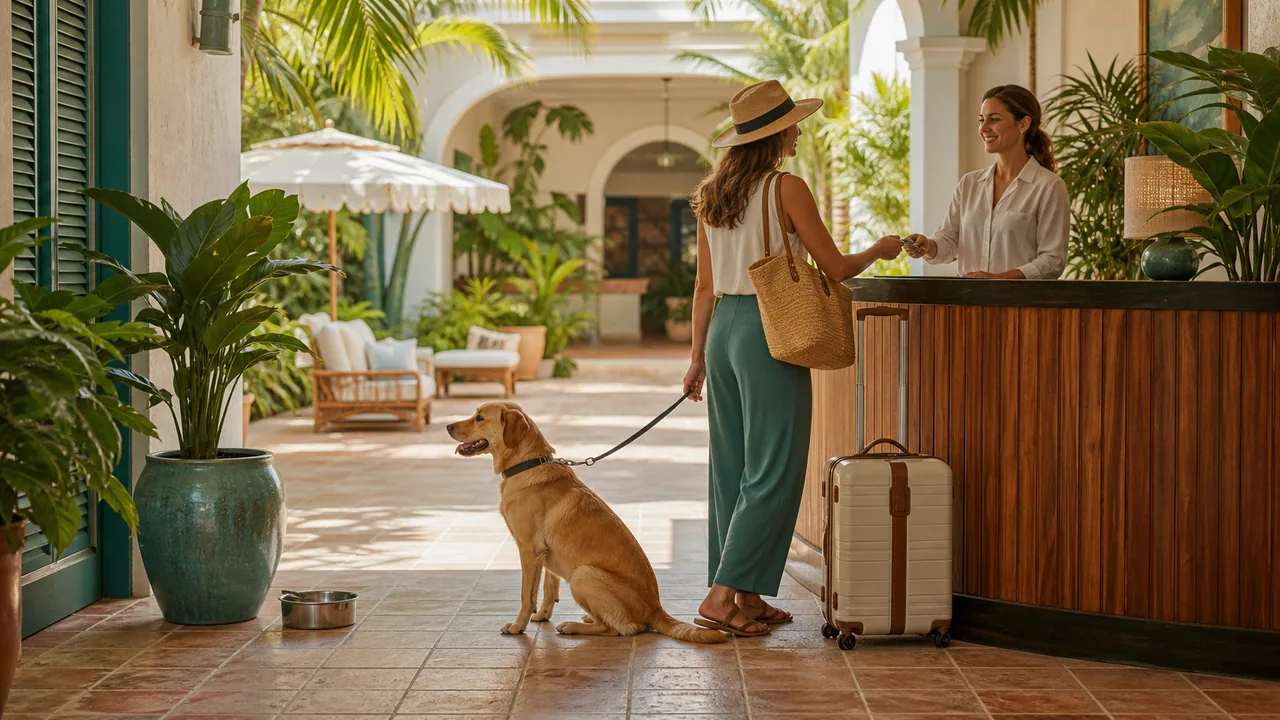
“Pet-friendly” can describe very different stays. One Key West hotel may accept two dogs of any size but charge per dog per night; another may limit guests to one smaller pet in a designated room category. Pool, restaurant, beach, shuttle, and unattended-pet restrictions can remove much of the resort from the dog’s usable space.
Treat the hotel's own pet terms as part of the room contract. The written reservation should name the animal, room type, nightly or stay fee, size and count limits, unattended-pet rule, restricted spaces, cleaning exposure, and any refundable deposit; a generic pet-friendly filter proves none of those details.
Check a pet-ready room
Send the dates, dog count, size, and room needs
A pet-friendly room is not confirmed until the hotel accepts the pet on the reservation and discloses the applicable policy and charges.
Start with the rule that can disqualify the stay
Count, species, and weight are the first filters. Margaritaville Beach House’s current official page says it welcomes up to two well-mannered dogs per room. Parrot Key publishes a one-pet limit and a weight ceiling, with pet stays restricted to Garden View guestrooms. Havana Cabana publishes terms for a first and second dog. A listing that says only “pets allowed” does not answer any of those questions.
Cats are often treated differently from dogs, and some hotels decline them. Other animals may require direct approval. Never hide an animal in the reservation notes or rely on a general booking-site icon. Call the property, give the species, count, weight, and any relevant behavior or accessibility information, and request written confirmation.
A hotel can run out of designated pet rooms while ordinary rooms remain available. The booking engine may accept the room without attaching the pet. Reconfirm after booking and again before the cancellation deadline.
- Verify species, number, and weight before comparing rates.
- Confirm the exact pet-eligible room type.
- Attach each pet to the reservation in writing.
- Ask for the full-stay charge and refundable-deposit terms.
The nightly fee can exceed the apparent room-rate difference
Pet fees may be charged per stay, per night, per room, or per animal. Margaritaville Beach House currently publishes a per-dog nightly fee. Parrot Key lists a nightly pet fee plus a refundable deposit. Havana Cabana publishes one nightly amount for the first dog and another for the second. Multiply the policy across the full stay before deciding that two room rates are close.
Ask about tax on the pet fee, cleaning charges, deposit timing, damage authorization, and what triggers an additional charge. A refundable deposit affects cash flow even when returned. A nonrefundable nightly fee can turn a seven-night booking into a very different total.
Do not assume the fee buys pet amenities or access. It may cover enhanced cleaning only. Compare what is actually useful: relief area, bowls, waste bags, easy exterior access, floor material, nearby walking route, and the ability to bring the dog to common spaces.
Unattended-pet rules shape the entire itinerary
Margaritaville Beach House and Parrot Key currently state that pets should not be left unattended. That matters in a destination where many tours, museums, restaurants, and boats do not accept dogs. A hotel can be pet-friendly and still require the dog to accompany you whenever you leave the room.
Ask if a secure crate changes the rule, whether housekeeping can enter while the pet is present, and how noise complaints are handled. If the answer remains no unattended pets, price a sitter or daycare and confirm availability before making nonrefundable plans.
A traveler planning Dry Tortugas, a long fishing trip, or an all-day excursion needs a care plan. A couple planning mostly outdoor walks and dog-friendly patios may find the same policy easy. Hotel fit comes from the itinerary, not the icon.
Margaritaville Beach House: two-dog capacity with resort restrictions
The hotel’s official pet page says up to two well-mannered dogs may stay in a room, with a nightly charge per dog and possible room-type or location restrictions. It prohibits unattended pets and excludes dogs from the pool, fitness center, and hotel shuttle. Guests remain responsible for cleanup and damage.
The property is across South Roosevelt Boulevard from Smathers Beach and removed from central Duval Street. Its pool, larger rooms, parking, and scheduled transportation can appeal to families, but the dog cannot use every amenity. Because the published policy excludes pets from the shuttle, a guest relying on that transportation needs another plan whenever the dog comes along.
Ask for the designated room location, nearest exterior exit, relief area, route across the boulevard, current beach rules, and complete pet total. A ground-floor room near an exit can be more valuable than a view when early and late walks are required.
Parrot Key: designated rooms, one-pet limit, and landscaped grounds
Parrot Key’s current official policy says it accepts one pet up to 40 pounds in Garden View guestrooms. It publishes a nightly fee and a refundable deposit, prohibits leaving the pet alone, and asks guests to display a pet-in-room hanger. Pets may use outdoor pathways but are excluded from pool areas, the beach, fitness center, and restaurant.
The resort’s landscaped setting and multiple pools create a calm property experience for people, but pool-area exclusions can separate the dog from a large part of the day. Confirm which paths and relief spaces remain available and whether an accompanying guest can sit near a pool boundary with the dog.
Parrot Key sits on North Roosevelt Boulevard rather than in walkable Old Town. Its scheduled transportation can help human guests, but pet eligibility on the current shuttle must be confirmed. The right room and transportation plan matter more than the broad resort label.
Havana Cabana: broader common-space access, with fees to calculate
Havana Cabana’s official page currently publishes a nightly charge for the first dog and a lower nightly charge for a second. It describes dogs as welcome in guest rooms, the lobby, Tiki Hut, resort shuttle, game areas, and pool bar while excluding the pool and outdoor hot tub. Service animals are exempt from pet fees under its stated policy.
That common-space access may suit a traveler who wants the dog nearby during more of the resort day. It does not eliminate the need to ask about size, room assignments, unattended pets, housekeeping, and behavior rules. The published page should be reconciled with the actual reservation terms.
The hotel is on North Roosevelt Boulevard, away from central Old Town. Confirm shuttle rules for the dog, safe relief routes, nearby veterinary options, and how the dog will travel when a destination does not allow pets.
The Perry and smaller inns can solve different pet trips
Specialist lodging sources currently identify The Perry Hotel & Marina as accepting dogs and having on-site dog-park space. Because fees and rules are volatile, confirm the current policy directly with the hotel rather than copying a third-party summary into a reservation decision. Its Stock Island location can work for drivers and marina-focused stays but creates a separate Old Town transportation question.
Smaller inns and guesthouses may offer easier exterior access, fewer resort restrictions, or per-stay rather than nightly fees. They can also have limited pet-room inventory, resident animals, stairs, compact rooms, and stricter noise rules. A small property is not automatically easier for a large or anxious dog.
Vacation rentals add kitchen and yard possibilities but may carry association restrictions, cleaning fees, minimum stays, and unverified fence security. Keep hotel, inn, and rental comparisons separate so the contract and service expectations remain clear.
Key West heat, pavement, beaches, and evacuation planning
Hot pavement and limited shade can make midday walking unsafe. Plan early and late relief breaks, carry water, test pavement temperature, and know where the nearest patch of suitable ground is. A map distance that looks short may be unreasonable for a dog in heat and humidity.
Do not assume every beach permits dogs. Confirm current municipal or property rules and leash requirements. The hotel’s use of “beach” in marketing does not grant pet access to sand, water, shuttle, or chairs.
Travel during storm season also needs an evacuation plan. Know the hotel’s pet and cancellation rules, airline or vehicle needs, carrier requirements, medications, records, identification, and an inland alternative. A reservation policy is not a complete emergency plan.
How to book without an unpleasant check-in surprise
Send the hotel dates, room occupancy, dog count, each dog’s weight and breed if requested, desired room type, mobility needs, and whether the dog may need to remain crated. Ask for the full room, resort, parking, pet, tax, and deposit total; eligible room categories; unattended rule; common-space exclusions; relief area; housekeeping process; and cancellation terms.
Save the written reply with the confirmation number. Recheck the policy before the free-cancellation deadline because online pages can change. At check-in, ask for the relief route, waste station, emergency contact, and any pet identifier the hotel requires.
Public hotel ratings combine pet and nonpet stays. Search recent pet-specific reviews for repeated operational details, but let the written policy control. RealReviews labels outside ratings by source and does not imply that a Google aggregate is a first-party pet-stay score.
Sources and verification
Rules and public requirements link to the responsible agency. Business-specific service claims are checked against privately retained official material, while public ratings remain attributed to their original source. RealReviews does not turn outside reviews into invented testimonials, blend unrelated platforms into a house score, or sell placement in these comparisons. Recheck licenses, availability, scope, and price before hiring.
Frequently asked questions
How much do Key West hotels charge for dogs?
Budget roughly $50 to $100 per night at the named hotels, then check caps and deposits. Margaritaville Beach House publishes $75 per dog per night for up to two dogs; Havana Cabana publishes $50 per night for one dog or $75 for two; Parrot Key publishes a $100 nightly fee plus a refundable $200 deposit. Multiply the current policy across the full stay before comparing room rates.
Can I leave my dog alone in a Key West hotel room?
Usually no. Margaritaville's published policy says dogs may not be left unattended, and other properties impose their own crating or supervision rules. If the trip includes restaurants, boats, or attractions that exclude pets, arrange daycare or a sitter before booking rather than assuming a crate makes an unattended stay acceptable.
Do pet-friendly hotels allow dogs at the pool or beach?
Usually no at the pool, and beach access varies. A hotel can accept dogs in designated rooms while excluding them from pools, restaurants, fitness areas, shuttles, or particular shoreline spaces. Use the property's current dog-policy page to identify permitted relief and common areas before paying.
Are service animals charged pet fees?
No. A qualifying service animal is not a pet under the ADA, so a hotel may not charge its normal pet fee or deposit solely because of the animal. The animal can still be excluded for uncontrolled behavior or lack of housebreaking, and damage actually caused by it may be charged on the same basis as other guest damage.
What should I confirm before booking?
Species, count, weight, eligible room, full fee, deposit, unattended rule, common-space access, relief area, housekeeping, transportation, and cancellation.